March F1 Team: The Underdog Legends Who Launched F1 Stars
February 13, 2026Formula 1’s golden era brimmed with bold teams, and March Engineering stood out as a plucky innovator. Founded in 1969 by Max Mosley, Alan Rees, Graham Coaker, and Robin Herd, the squad drew its name from their initials—M-A-R-C-H. They burst onto the scene with ambitious plans to race in multiple categories at once. March delivered three Grand Prix wins and launched stars like Ronnie Peterson and Niki Lauda. Designer Robin Herd crafted clever cars that often punched above their weight. Off the track, quirky stories—like the Hesketh team’s wild engine quest—added real charm to the tale. This post traces March’s journey through F1 history, highlighting triumphs, fun anecdotes, and steady evolution. Dive in for an entertaining look at the team’s spirited legacy.
Bold Beginnings: Founding a Racing Dream in Bicester
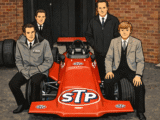
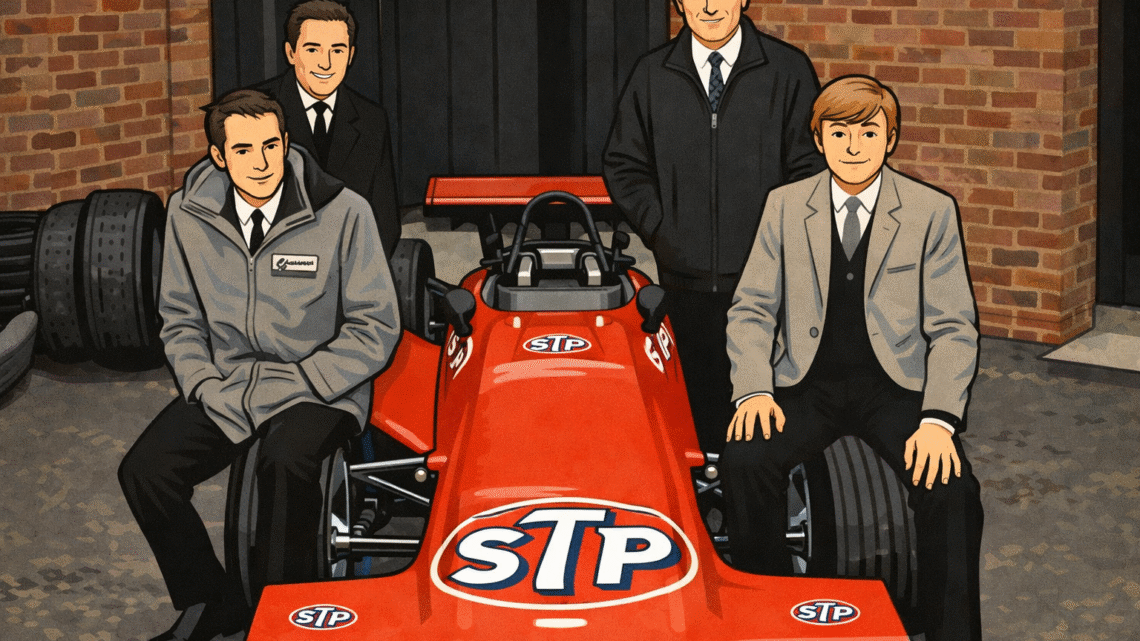
Max Mosley brought business savvy as a barrister with racing ties. Alan Rees offered management know-how from his driving days. Graham Coaker handled production, and Robin Herd designed the cars with fresh ideas from McLaren and Cosworth. Together, they set up in Bicester, Oxfordshire, dreaming big. They wanted to supply competitive chassis across Formula 1, 2, 3, and even Can-Am.
The team rushed their first F1 car, the 701, into existence in just three months. Herd later admitted the haste cost him dearly—he lost over 20 pounds from stress. Still, they unveiled it in February 1970, full of promise. Privateers bought chassis right away, injecting much-needed cash. Tyrrell snapped one up for Jackie Stewart, who soon praised its solid handling.
March made their official F1 entry at the 1970 South African Grand Prix. Chris Amon and Jo Siffert piloted the works cars. Amon stunned everyone by grabbing pole position. Though he retired early, the debut turned heads across the paddock. Stewart then delivered the team’s first championship win in Spain, driving a customer March. Amon added a non-championship victory at Silverstone. These quick successes built excitement. Yet stretched resources meant development slowed. Mosley’s sharp deals kept things afloat. The privateer model—selling cars to independents—became their lifeline in tough times.
Breakthrough Designs: Robin Herd’s Clever Creations
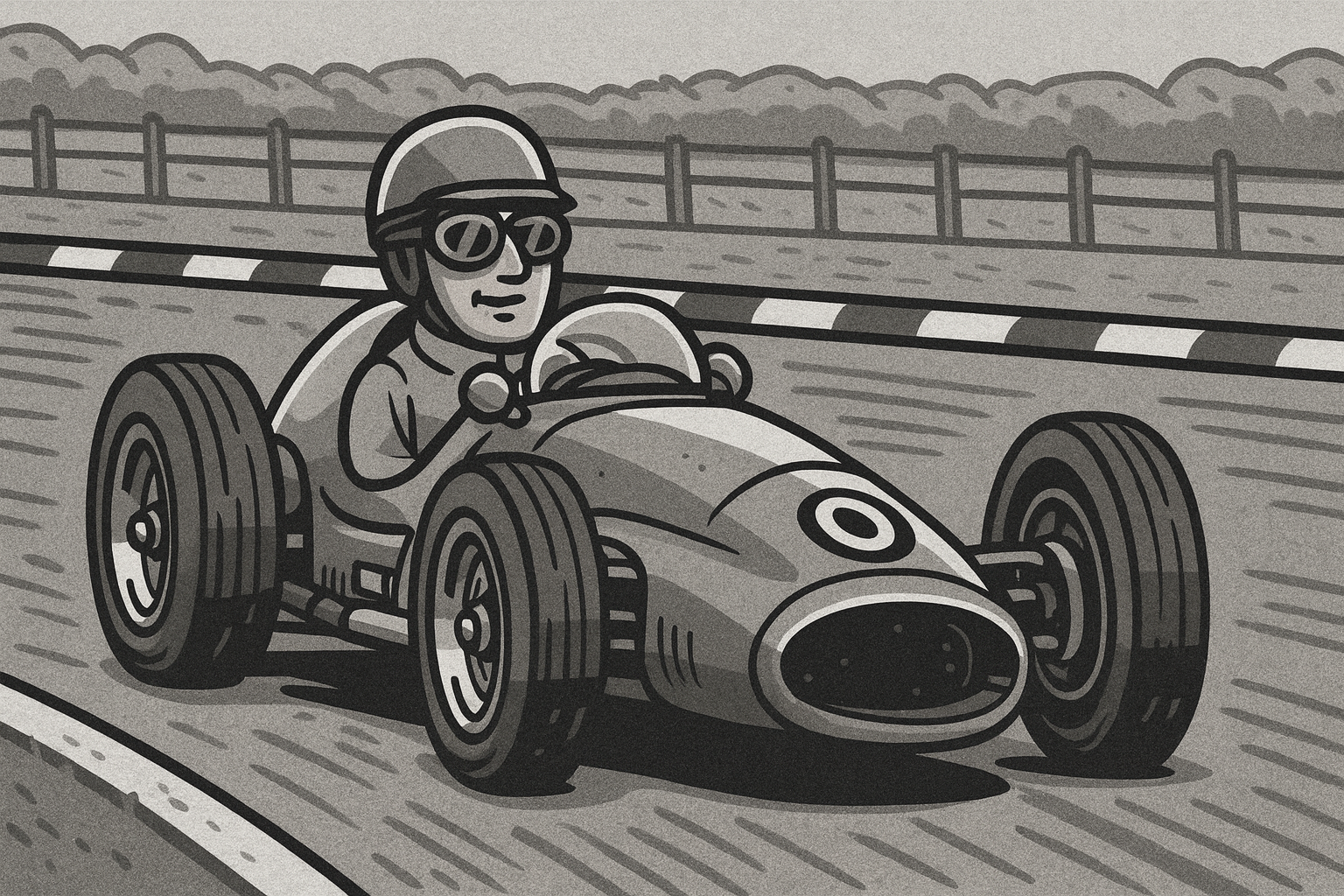
Robin Herd’s talent shone through in every March car. He shaped the 701 with Peter Wright, blending influences from McLaren and Lotus for reliability over flash. Critics called it derivative, but drivers appreciated the balance. The car relied on proven Cosworth DFV engines and straightforward aero.
In 1971, Herd unveiled the radical 711. Its distinctive “tea-tray” front wing boosted downforce in a fresh way. Ronnie Peterson joined and became March’s shining light. He drove chassis 711-2 to multiple poles and podiums. At Monza, he battled Peter Gethin to the line in a thrilling photo finish, taking second. Niki Lauda made his F1 debut that year in the same model at Austria, starting his path to legend status.
The 721 arrived in 1972 with tweaks hinting at ground-effect ideas. Peterson stayed loyal, claiming poles in Canada and the USA. Herd kept experimenting—side radiators and bold aero tests marked his style. His quick fixes often saved the day; one famous tale has him sketching a wing repair on a napkin during a test, and it held up perfectly. Herd’s hands-on approach inspired the crew and influenced future teams. By 1973, the 731 brought steady gains, though budgets remained tight.
Star Drivers: Peterson, Lauda, and Surprise Heroes
March drew impressive talent from the start. Chris Amon and Jo Siffert kicked things off in 1970. Amon’s raw speed impressed, but luck often deserted him. Siffert’s tragic death in 1971 hit the team hard. Ronnie Peterson then stepped forward as the loyal star. His aggressive, sliding style suited March cars perfectly. He notched four poles in 1971 alone, thrilling crowds with daring overtakes.
Niki Lauda’s brief 1971 stint in the 711 gave him his F1 break—he later credited March for opening the door. In 1972, Peterson nearly stole Monza from Emerson Fittipaldi. His consistency lifted March to fourth in the constructors’ standings. Vittorio Brambilla arrived in 1975, earning the nickname “The Monza Gorilla” for his bold drives. Hans-Joachim Stuck added flair in the mid-1970s with solid podiums.
Lella Lombardi made history too. In 1975’s shortened Spanish Grand Prix, she finished sixth to become the first woman to score F1 points. These drivers captured March’s underdog charm. They pushed hard, created close battles, and left fans smiling.
Golden Era Triumphs: Wins and Heart-Pounding Races
March tasted real glory in the early to mid-1970s. In 1970, customer cars delivered poles and that Spanish win for Stewart—he overtook rivals early and held off Jack Brabham. Amon’s Silverstone non-championship victory boosted morale further.
The 1975 Austrian Grand Prix brought pure drama. Torrential rain turned the track into a river. Brambilla charged to the lead. When officials red-flagged the race, he crossed the line first. In celebration, he spun into the barriers—emerging with a huge grin. “I just got too excited,” he laughed later. This victory marked March’s first works championship win.
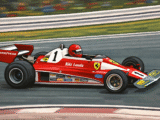
Peterson capped the highlights in 1976 at Monza. Starting from pole, he defended fiercely against Ferrari’s home heroes. A late surge secured the win by seconds. March ended that season fourth in constructors. Earlier podiums, like Peterson’s third in South Africa despite tire troubles, showed their fight. Reliability gremlins hurt some years, but the team always entertained with gutsy performances.
Quirky Anecdotes: Prayers, Crashes, and Team Spirit
March’s off-track stories bring the golden days to life with humor and heart. One classic involves Lord Alexander Hesketh’s fledgling team in the early 1970s. Short on cash and desperate for a Cosworth engine, the Hesketh crew gathered in the paddock one day. They formed a circle and prayed dramatically to the “Great Chicken in the Sky” for help—their own engine had blown. Max Mosley spotted the scene and chuckled. Soon after, he lent them a spare engine from March’s stock. The grateful Hesketh team dubbed Mosley “The Great Chicken of Bicester” and clucked whenever they saw him, much to his mock annoyance. That engine helped launch James Hunt’s rise in a March 731 chassis. The quirky exchange highlighted the helpful, tight-knit spirit among small teams back then.
Brambilla’s 1975 win crash added laughs too—he spun wildly into the armco after taking the checkered flag, then hopped out beaming. Peterson showed loyalty in tough times. In 1972, he turned down bigger offers to stay with March, saying it felt like home. Stuck once patched a car with tape mid-event and limped to the finish. Mosley cracked jokes about their shoestring budgets: “We race on dreams and loans.” Herd’s napkin sketches fixed parts on the fly. These light moments bonded the crew and made March feel like family amid the high-stakes action.
Team Evolution: From Privateers to Leyton House Legacy
March began as a clever constructor-supplier hybrid. They sold chassis to outfits like Tyrrell and Hesketh, which funded their own efforts. By 1977, struggles mounted. Mosley left for politics and eventually FIA leadership. Herd bought his shares and became sole owner. F1 paused after weak results.
The team resurfaced in 1981 as RAM March, a partnership that yielded modest runs with drivers like Eliseo Salazar. In 1987, Japanese sponsor Leyton House stepped in, then bought the operation in 1989. Akira Akagi rebranded it Leyton House Racing. Ivan Capelli nearly won the 1990 French Grand Prix—leading until a late gearbox failure. The March name flickered back briefly in 1990-1992 with drivers like Karl Wendlinger.
Financial pressures ended F1 involvement after 1992. Herd pivoted to IndyCar success, where March dominated the Indy 500 for years. The evolution mirrored F1’s shift from plucky privateers to corporate realities. Yet the core spirit—innovation on a budget—lived on.
Lasting Impact: Inspiring Underdogs in F1 History
March left a bright mark on F1. They secured three Grand Prix wins, 54 points, and 13 poles across their run. Herd’s aero ideas influenced generations. Drivers like Peterson and Lauda got their starts here and went on to greatness.
The team’s human side entertains most. Anecdotes of prayers, pranks, and persistence remind us why fans love the golden days. Mosley’s later rule-making shaped the sport. Herd, who passed in 2019, stays fondly remembered.
In racing history, March proved small outfits could thrill crowds and spark legends. Their bold approach still inspires underdogs today.